planning · MUSA, Underwater Museum
MUSA, Underwater Museum: What to Know Before You Go
Cancun offers more than just white sand and turquoise water. Beneath the surface, an ambitious art project has transformed the seabed into a living gallery. MUSA, Underwater Museum presents an unusual blend of conservation and contemporary sculpture. Before you commit to a snorkel trip or glass-bottom boat tour, understanding the practicalities of this unique attraction will help you make the most of your time underwater.
The short answer
If you're planning a trip around MUSA, Underwater Museum in Cancun, the answer comes down to logistics, timing, and the few non-obvious decisions that quietly make or break the experience. Here's the practical read on MUSA, Underwater Museum: Submerged sculpture park. It suits travellers who value a clear sense of what they're booking and who would rather know the trade-offs up front than discover them on arrival.
It's a less obvious fit for travellers who want the opposite, different vibe, different price ceiling, or a different sort of crowd, and those readers should look at the alternatives section before booking. On value, 4. 7★ across 3,400 reviews puts MUSA, Underwater Museum in a defensible band; the real question is whether the specific room category, season, and rate you're being shown clears that bar.
The single biggest trade-off most guests under-weigh is fit, MUSA, Underwater Museum rewards travellers whose plan matches the property and quietly punishes those whose plan doesn't. Worth checking against Chichén Itzá and Plaza Las Americas before you commit, both come up repeatedly as direct comparisons in Cancun.
Booking tip: hold your dates with a refundable rate while you read the cons section honestly, then convert once the trade-offs sit right with you.
Things to know first
MUSA, Underwater Museum is not a single site but two main galleries: Manchones, which is deeper and better for diving, and Nizuc, which is shallower and ideal for snorkeling or glass-bottom boats. Most tours from Cancun visit Nizuc. The sculptures are made from pH-neutral marine concrete, designed to promote coral growth, so they appear as a muted gray rather than a vibrant reef.
Visibility is paramount; strong winds or recent storms can stir up sediment, reducing clarity significantly. You are not allowed to touch the sculptures, as this can damage the delicate ecosystem forming on their surfaces. Finally, remember that this is an active conservation project, so the art is secondary to the marine life it aims to foster.
Best time to visit
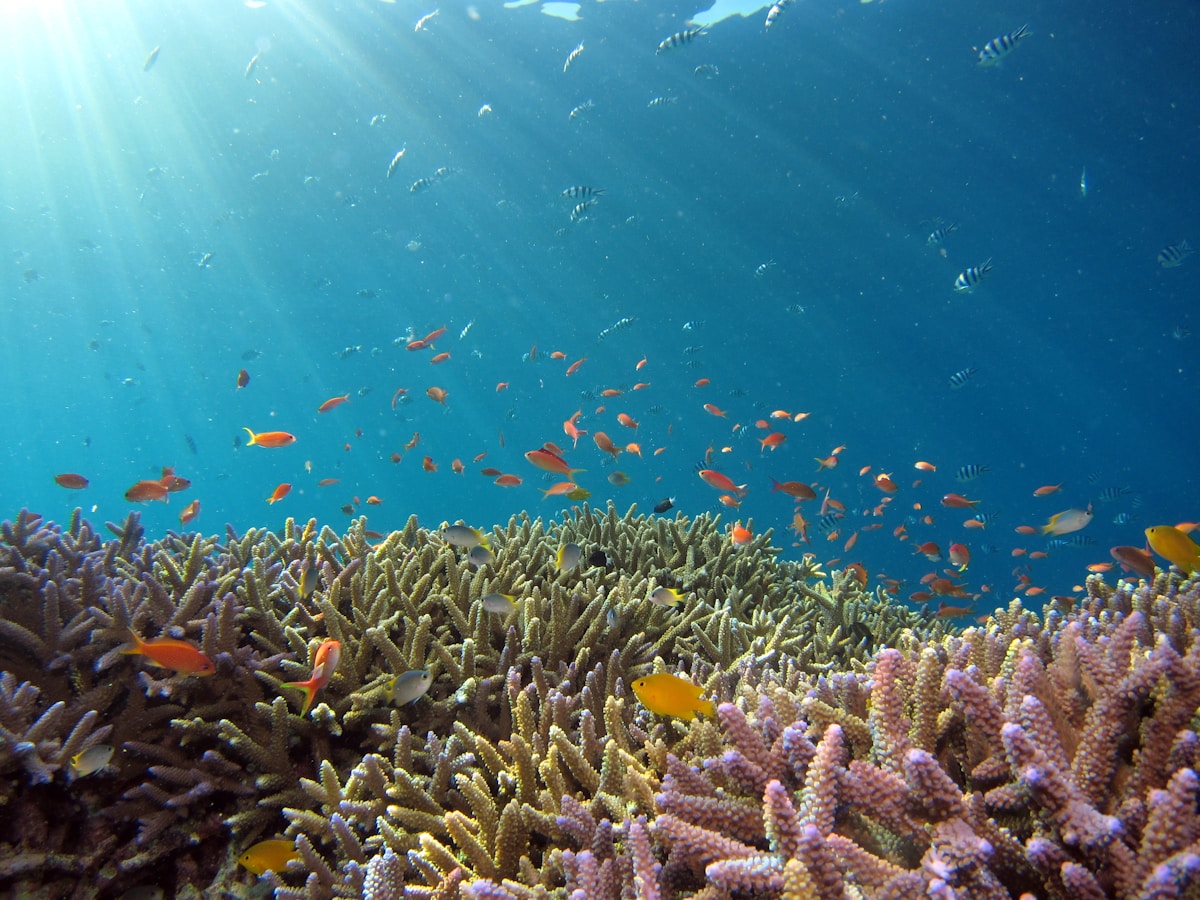
The dry season, from December through April, offers the most reliable weather for visiting MUSA, Underwater Museum. During these months, skies are typically clear, and the water visibility is at its best, making for optimal viewing conditions. Temperatures are comfortable, averaging in the high 70s Fahrenheit.
The hurricane season officially runs from June to November, with the highest risk in September and October. While direct hits are rare, tropical storms can bring heavy rains and strong winds, severely impacting water clarity for several days. Sargassum, a type of seaweed, can also be present, particularly from April to August, though its impact on underwater visibility at the MUSA sites is generally less significant than on beaches.
Avoiding major holidays like Christmas, New Year's, and Easter will also mean fewer crowds.
Booking advice
Booking directly with a tour operator often provides the most accurate information regarding departure times and specific MUSA, Underwater Museum gallery access. While online travel agencies (OTAs) might offer competitive prices, ensure they clearly state which MUSA site you will visit.
Always check the cancellation policy; reputable operators offer free cancellation up to 24 or 48 hours before the tour, which is crucial given the unpredictable nature of water visibility. Some tours require a small deposit to secure your spot, with the balance due on the day of the excursion.
Avoid booking last-minute on the beach, as these vendors may not be licensed or insured. Confirm what equipment is included, such as snorkel gear or life vests, to avoid unexpected rental fees.
Common mistakes to avoid
A common mistake is assuming MUSA, Underwater Museum is a vibrant coral reef teeming with colorful fish. While marine life is present and growing, the primary draw is the art and the conservation effort, not a pristine natural reef. Another error is not checking the weather forecast for wind and rain, which directly impacts water clarity.
Skipping sunscreen or using non-reef-safe sunscreens is also a frequent oversight; protect your skin and the marine environment. Do not forget to hydrate, especially if you are snorkeling in the sun for an extended period. Finally, avoid booking tours that rush the experience; allow ample time to appreciate the sculptures and the surrounding marine life.
Transport from airport
From Cancun International Airport (CUN), the most practical transport options depend on your budget and destination. Shared shuttle services are economical, typically costing around $15-25 USD per person to the Hotel Zone, where most MUSA, Underwater Museum tours depart. Private transfers offer direct service and more comfort, ranging from $50-70 USD.
Taxis are available but are often more expensive than pre-booked private transfers, usually $60-80 USD. Public buses are the cheapest option, around $5 USD, but require transfers and are less convenient with luggage. Confirm your tour's departure point before arranging airport transport, as some operators leave from specific marinas.
Realistic daily budget
A realistic daily budget for Cancun, excluding accommodation, should account for food, activities, and transport. For food, expect to spend $30-60 USD per day for casual dining, or $80-150 USD for nicer restaurants. Drinks can add $10-30 USD.
Activities like a visit to MUSA, Underwater Museum typically cost $50-80 USD for a snorkeling tour, while a trip to Chichén Itzá might be $80-120 USD. Local transport, such as taxis or shared vans, averages $5-15 USD per ride within the Hotel Zone. If you plan on visiting multiple attractions or enjoying nightlife, a daily budget of $100-200 USD per person is a reasonable estimate, not including any souvenirs.
Featured picks
Avg 4.6★ across 6 verified properties
Chichén Itzá
Archaeological site with excavated ruins of the large Maya city, including an iconic step pyramid.
4.8(137,049)
Xcaret Park
Waterfront eco-archaeological park offering attractions such as snorkeling & cave exploration.
4.8(117,201)
Tulum
Ruins of a walled, ancient Mayan city, located on a bluff overlooking the Caribbean Sea.
4.7(71,380)
Xel-Há
Sprawling natural aquarium offering activities such as snorkeling & swimming with dolphins.
4.8(59,613)
Mercado 28
Long-running flea market with food stalls & lots of shops offering souvenirs, apparel & other goods.
4.2(58,676)
Plaza Las Americas
Spacious commercial center offering brand-name stores, a supermarket, food court & a cinema.
4.5(53,513)
Local knowledge
Beyond the Hotel Zone
While most tourists stay in the Hotel Zone, venture downtown to Mercado 28 for authentic local crafts and food prices. It offers a different side of Cancun away from the resort bubble.
Cenote Alternatives
If you find MUSA's visibility disappointing, consider a cenote tour. These natural freshwater sinkholes offer consistently clear water and a unique swimming experience, often less affected by coastal weather.
Early Bird Advantage
For any water activity, including MUSA, Underwater Museum, locals always go for the earliest morning slot. The water is typically calmer, and you avoid the midday rush of tour boats.
Tips before you go
Wear reef-safe sunscreen.
Protect your skin and the delicate marine ecosystem from harmful chemicals.
Bring an underwater camera.
The unique sculptures and marine life offer distinct photo opportunities you will want to capture.
Book tours with flexible cancellation.
Water visibility can change quickly with weather, so flexibility is key to a good experience.
Consider a morning tour.
Water tends to be calmer and clearer in the mornings, and there are fewer crowds.
Frequently asked
What do first-time guests not expect at MUSA, Underwater Museum?
First-time guests often do not expect the sculptures to be as muted in color as they are. The art is designed to become an artificial reef, so it is meant to be covered by marine life and coral, which means a less vibrant appearance than a freshly painted statue. The focus is on the evolving ecosystem, not pristine art.
When is the best time of year to visit MUSA, Underwater Museum?
The best time to visit MUSA, Underwater Museum is during the dry season, from December to April. This period offers the clearest water and most stable weather conditions, which are crucial for good visibility and an enjoyable snorkeling or glass-bottom boat experience.
How do you get from the airport to MUSA, Underwater Museum?
You do not directly get from the airport to MUSA, Underwater Museum. You first travel from Cancun International Airport to your accommodation or a tour departure point in the Hotel Zone. From there, tour operators provide boat transport to the underwater museum sites.
What's the honest weather window for MUSA, Underwater Museum?
The honest weather window for MUSA, Underwater Museum is generally good from December to April. Outside of this, particularly from June to November, there is a higher risk of tropical storms and hurricanes, which can significantly reduce water clarity and make tours uncomfortable or impossible.
Which booking mistake costs travellers the most at MUSA, Underwater Museum?
The booking mistake that costs travelers the most at MUSA, Underwater Museum is failing to confirm the tour's cancellation or rescheduling policy. If weather or water conditions are poor, a non-refundable booking means losing your money or having a significantly compromised experience.
Ready to decide?
Check live rates and availability for MUSA, Underwater Museum.
Plan Your VisitKeep exploring
MUSA, Underwater Museum
Submerged sculpture park.