Editor's review · MUSA, Underwater Museum
MUSA, Underwater Museum: Prices and Inclusions
The idea of an underwater art museum sounds intriguing, a novel twist on both sculpture and reef conservation. But beyond the concept, what does a visit to MUSA, Underwater Museum actually entail for your wallet and your day? We cut through the marketing to give you the practical details, helping you decide if this unique attraction is worth your time and money in the bustling Hotel Zone.
The short answer
Short answer on MUSA, Underwater Museum: it's consistently one of the higher-rated options (4. 7★ across 3,400 reviews) in Cancun, and whether it's the right call depends entirely on who you are and what you're optimising for. Here's the practical read on MUSA, Underwater Museum: Submerged sculpture park.
It suits travellers who value a clear sense of what they're booking and who would rather know the trade-offs up front than discover them on arrival. It's a less obvious fit for travellers who want the opposite, different vibe, different price ceiling, or a different sort of crowd, and those readers should look at the alternatives section before booking.
On value, 4. 7★ across 3,400 reviews puts MUSA, Underwater Museum in a defensible band; the real question is whether the specific room category, season, and rate you're being shown clears that bar. The single biggest trade-off most guests under-weigh is fit, MUSA, Underwater Museum rewards travellers whose plan matches the property and quietly punishes those whose plan doesn't.
Worth checking against Chichén Itzá and Tulum before you commit, both come up repeatedly as direct comparisons in Cancun. Booking tip: hold your dates with a refundable rate while you read the cons section honestly, then convert once the trade-offs sit right with you.
Skip the search
Live rates and availability for MUSA, Underwater Museum.
Compare MUSA ToursWhat it costs
The cost for MUSA, Underwater Museum varies significantly based on how you choose to experience it. Snorkeling tours, which offer the most direct interaction with the sculptures, typically range from $50 to $75 USD per person. These are often combined with a stop at a natural reef for additional snorkeling.
Glass-bottom boat tours, a drier alternative, usually fall between $45 and $60 USD. For scuba divers, the price is higher, often $80 to $100 USD or more, as it includes equipment rental and a dive master. Prices tend to be consistent year-round, with less fluctuation for this specific attraction compared to resort stays, though booking during peak holiday seasons might see slightly higher demand and less availability for last-minute bookings.
Always confirm if marine park fees are included in the quoted price, as these are sometimes an additional charge.
What's included
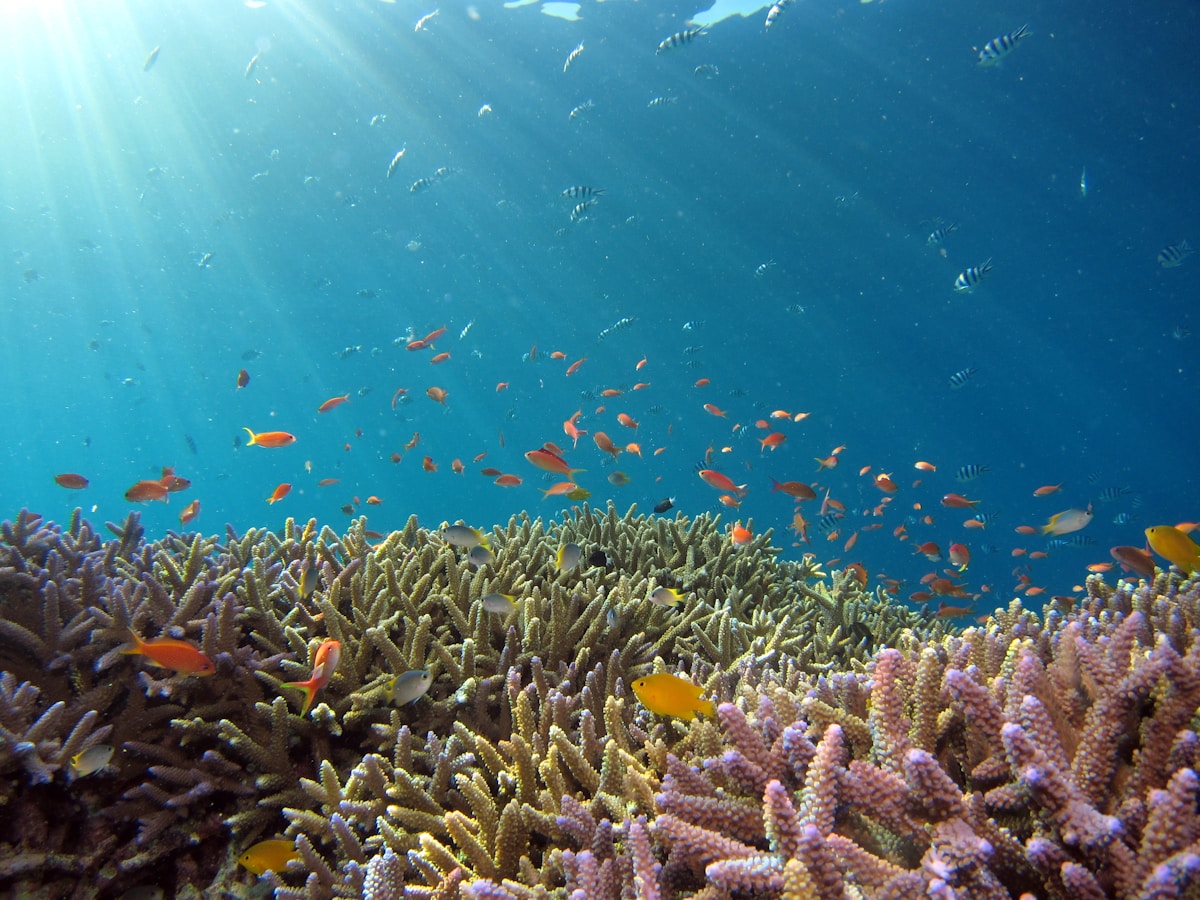
Most standard tours to MUSA, Underwater Museum include round-trip boat transportation from a designated marina, often in the Hotel Zone. For snorkelers, this means a mask, snorkel, fins, and a life vest are provided. Glass-bottom boat tours include your seat on the vessel and the opportunity to view the sculptures through the boat's floor.
Scuba diving packages will typically cover all necessary gear, tanks, and the guidance of a certified dive instructor. Entry fees to the marine park and the museum itself are almost always part of the package price. What is generally not included are hotel transfers to the marina, food or drinks (unless explicitly stated as part of a longer, combined tour), and gratuities for the boat crew or guides.
Always review the specific inclusions carefully before booking your MUSA, Underwater Museum experience.
When to book to get a real deal
For MUSA, Underwater Museum, securing a 'deal' is less about seasonal price drops and more about booking strategy. Prices for these tours are relatively stable. However, booking at least a week in advance, especially during high season (December to April and July/August), ensures availability for your preferred time slot and operator.
Last-minute bookings might limit your choices, forcing you onto less reputable or more expensive tours. Flash sales are rare for this specific attraction, so don't wait for them. Instead, look for package deals that combine MUSA, Underwater Museum with another activity, like a visit to Isla Mujeres or another snorkeling spot, as these can offer better overall value than booking each component separately.
Deposits are usually required, with full payment due closer to the tour date.
Cheaper similar options
While MUSA, Underwater Museum offers a unique blend of art and marine life, if your budget is tighter, there are other ways to experience Cancun's natural and historical offerings. For a fraction of the cost, a simple snorkeling trip to a natural reef without the sculptures can be found for around $30-40 USD.
If you're drawn to cultural history, exploring the ruins of Tulum or Chichén Itzá offers a profound experience, though at a higher price point than MUSA, typically $70-100 USD for a guided tour including transport. For an all-day, eco-park experience with various activities, Xcaret Park presents a different kind of value, though its entry fee is significantly higher, often $100+ USD.
Consider what aspect of MUSA, Underwater Museum truly appeals to you to find the best alternative.
Alternatives worth considering
Avg 4.8★ across 3 verified properties
Chichén Itzá
Archaeological site with excavated ruins of the large Maya city, including an iconic step pyramid.
4.8(137,049)
Xcaret Park
Waterfront eco-archaeological park offering attractions such as snorkeling & cave exploration.
4.8(117,201)
Tulum
Ruins of a walled, ancient Mayan city, located on a bluff overlooking the Caribbean Sea.
4.7(71,380)
Local knowledge
Currents can be strong
The currents around the MUSA sites, particularly Manchones Reef, can be surprisingly strong. If you're not a confident swimmer, opt for a glass-bottom boat or ensure you stay close to your guide and the boat.
Sunscreen rules
Only biodegradable sunscreen is allowed in the marine park to protect the delicate ecosystem, including the artificial reef at MUSA. Apply it well before you get on the boat.
Two main sites
MUSA has two main sites: Manchones Reef, deeper and for divers/experienced snorkelers, and Nizuc, shallower and ideal for snorkelers and glass-bottom boats. Confirm which site your tour visits.
Tips before you go
Book an early morning tour
Water conditions are often calmer, visibility is better, and there are fewer boats and crowds at MUSA, Underwater Museum.
Bring a waterproof camera
The sculptures are unique, and a waterproof camera is essential for capturing them without risking your phone.
Wear a rash guard
It provides sun protection and reduces the need for sunscreen, which is better for the marine environment.
Confirm marine park fees are included
Many operators list this as a separate charge, adding an unexpected cost to your MUSA, Underwater Museum visit.
Frequently asked
Who is a visit to MUSA, Underwater Museum best suited for?
MUSA, Underwater Museum appeals to those seeking a unique art and nature experience. It suits snorkelers and divers comfortable in open water, as well as families with older children who appreciate an unconventional museum visit. It is less ideal for travelers preferring traditional art galleries or those with significant mobility challenges.
What makes MUSA, Underwater Museum different from other marine parks?
Unlike natural reefs or typical marine parks, MUSA, Underwater Museum integrates art with conservation. Its hundreds of submerged sculptures, crafted from pH-neutral marine concrete, actively promote coral growth and create new habitats. This blend of artistic expression and ecological purpose sets it apart from purely natural underwater attractions.
What is the biggest drawback of visiting MUSA, Underwater Museum?
The primary drawback can be visibility, which fluctuates with weather and currents. While the sculptures are always present, clear viewing is not guaranteed daily. Also, the sheer volume of visitors, especially during peak season, can sometimes detract from the tranquil, immersive experience one might anticipate among the underwater art.
When should I book a tour for MUSA, Underwater Museum?
Booking your MUSA, Underwater Museum tour two to four weeks in advance is advisable, particularly if traveling during high season or holidays. This secures your preferred time slot and operator. Last-minute bookings might find limited availability, especially for smaller, more intimate group tours.
What surprises first-time visitors to MUSA, Underwater Museum?
First-time visitors often express surprise at the scale and intricate detail of the sculptures, which are more impactful in person than in photographs. The quiet, almost reverent atmosphere underwater, despite other groups being present, also frequently exceeds expectations, creating a contemplative experience among the submerged figures.
Ready to decide?
Check live rates and availability for MUSA, Underwater Museum.
Compare MUSA ToursKeep exploring
MUSA, Underwater Museum
Submerged sculpture park.